Athletes, coaches, and serious weekend warriors who want to jump higher but keep getting stuck — this is for you. You’re frustrated by a stalled vertical, nagging lower-back or knee pain, or the feeling that you’re powerful on the court but leaking energy through a weak core or tight hips. Our team uses Pilates-for-athletes methods to translate core strength and movement quality into measurable vertical gains and smarter injury prevention. Learn more about reduce downtime and protect your explosiveness, and we can show you exactly how to add Pilates to your training without wasting time.
Can Pilates improve my vertical jump?
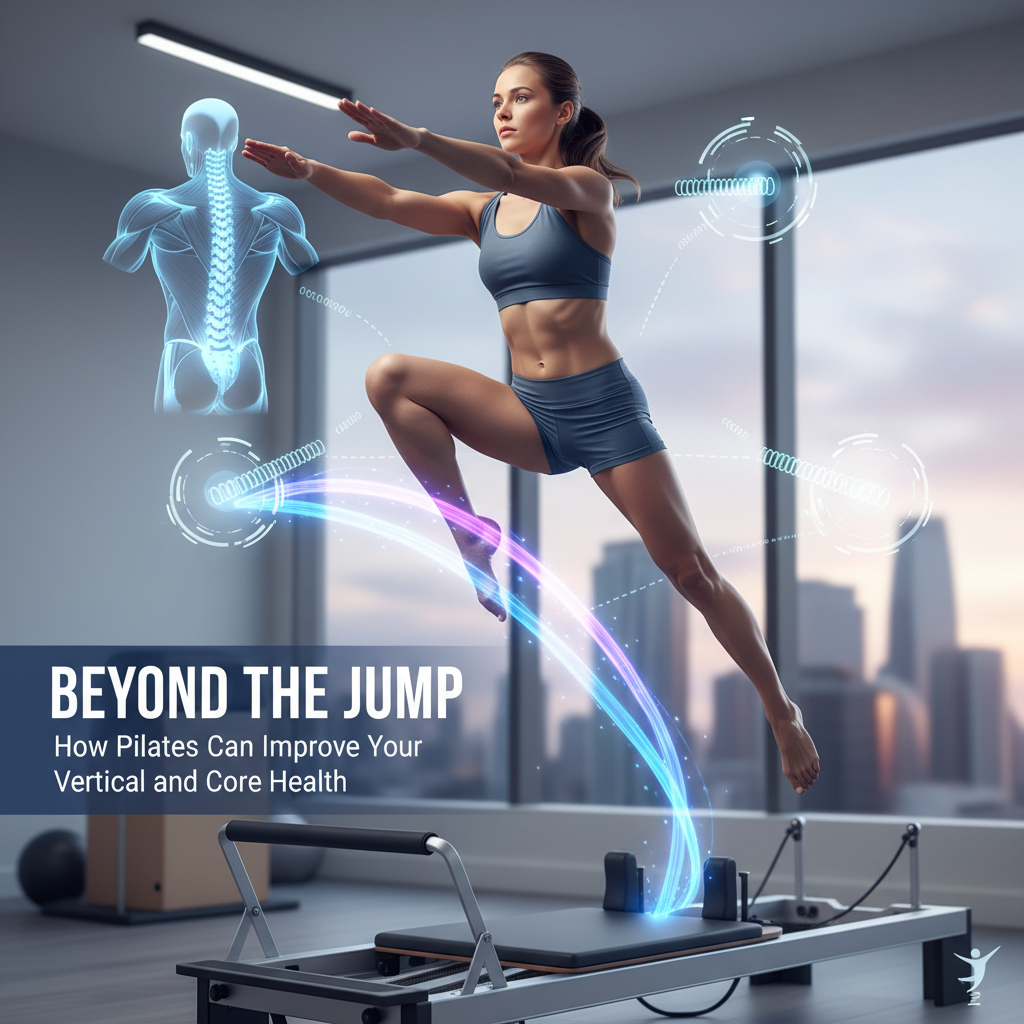
Short answer: yes, but not by itself. Pilates improves the foundations that make a higher jump possible: core stability, hip mobility, ankle control, and coordinated force transfer from the foot through the ribcage. Why? Because jumping is a whole-body skill, and power is only as good as the body’s ability to channel it. Learn more about holistic training plan. Learn more about vertical jump specialization.
So here's the thing about power: you can have big quads, but if your pelvis tilts forward or your core leaks, energy dissipates. Pilates tightens that link. From what I've seen, athletes who add targeted Pilates work improve vertical by 2 to 4 inches in 6 to 12 weeks when they combine it with plyometrics and strength training (yes, numbers matter).
People also ask: Will Pilates make me stronger for jumping?
It builds the kind of strength that matters for jumping: functional, multi-planar, and endurance-focused. Pilates increases reactive control and eccentric strength, which helps on the way down so you can spring up more efficiently. Not a magic bullet — but a high-leverage tool.
How does core strength affect jumping and injury prevention?
Core strength is not about a six-pack. It's about the ability to transfer force between lower and upper body, stabilize the spine under load, and control the pelvis during eccentric landings. This matters for both jump height and injury prevention.
Look: if your core doesn’t resist rotation, your hip and knee will pick up the slack (bad). That’s how ankles sprain and ACLs get stressed. Pilates trains anti-rotation and anti-extension patterns (think: controlled planks, side-supports, dynamic standing work), which protect joints during high-impact moves.
How does Pilates reduce injury risk?
- Improves neuromuscular control — you land cleaner.
- Balances strength around the hip — less knee valgus (that inward collapse).
- Restores thoracic mobility — fewer compens