Who this is for, what's bothering you, and how we help
This is for athletes, coaches, and serious weekend warriors who feel wrecked after travel, who can't hit peak lifts, or who plateau despite training hard. You're frustrated because your body won't recover fast enough, your performance swings with your sleep, and sleep advice is confusing and contradictory. Our team helps by translating sleep science into simple, actionable routines that improve recovery and performance—so you can train harder, recover faster, and compete better (without guessing what to try next).
How does sleep affect athletic performance?
Short answer: a lot. Sleep controls reaction time, decision-making, hormone balance, and muscle repair, so poor sleep chips away at speed, strength, and consistency.
Look, performance isn't just about the hours you spend training. It's about the hours you spend repairing. Sleep improves:
- Cognitive skills and motor learning - better technique retention and faster decision-making during competition.
- Hormonal balance - more growth hormone during slow-wave sleep, and healthier testosterone patterns (key for strength).
- Metabolic recovery - improved glycogen restoration and better insulin sensitivity, which fuels the next session.
- Inflammation control - better regulation of cytokines, meaning less prolonged soreness and fewer missed sessions.
I've noticed athletes who bump nightly sleep from 6 to 8 hours often report clearer focus and faster reaction times within 2 weeks. This is important. Really important.
People also ask: Does sleep directly improve performance?
Yes. Better sleep equals better outputs. Studies show measurable gains in sprint time, accuracy, and strength when sleep quality and duration improve. Why? Because the nervous system consolidates motor learning during REM and deep sleep, and muscles rebuild during slow-wave sleep. So... sleep is training, too.
How much sleep do athletes need?
Answer first: aim for 8 hours as a baseline, and 9 hours on days with heavy training or travel. Elite athletes often target 9 hours consistently.
So here's the deal: most healthy adults need 7 to 9 hours, but athletes usually fall at the higher end because recovery demands are bigger. In my experience working with teams, I recommend a plan that targets 8 hours on regular days and 9 hours when you're doing double sessions, strength blocks, or competition travel.
How does sleep support athletic recovery?
Direct mechanisms, quick:
- Growth hormone release peaks during deep sleep, which drives tissue repair and protein synthesis.
- Immune function is restored during sleep, lowering illness risk and keeping training uninterrupted.
- Sleep reduces cortisol levels overnight, which helps maintain anabolic environment for muscle repair.
- Brain recovery happens too, clearing metabolic waste and improving decision-making for future practices.
So recovery is not just "less sore tomorrow." It's faster muscle repair, reduced injury risk, and better training quality next session. The best part is - well, actually there are two best parts - better physical recovery and sharper mental performance, together making you perform more consistently. Learn more about optimizing recovery.
When should athletes sleep and wake?
Consistency matters more than exact bedtime. Pick a wake time you can keep every day and work back to set a bedtime that gives you 8 to 9 hours.
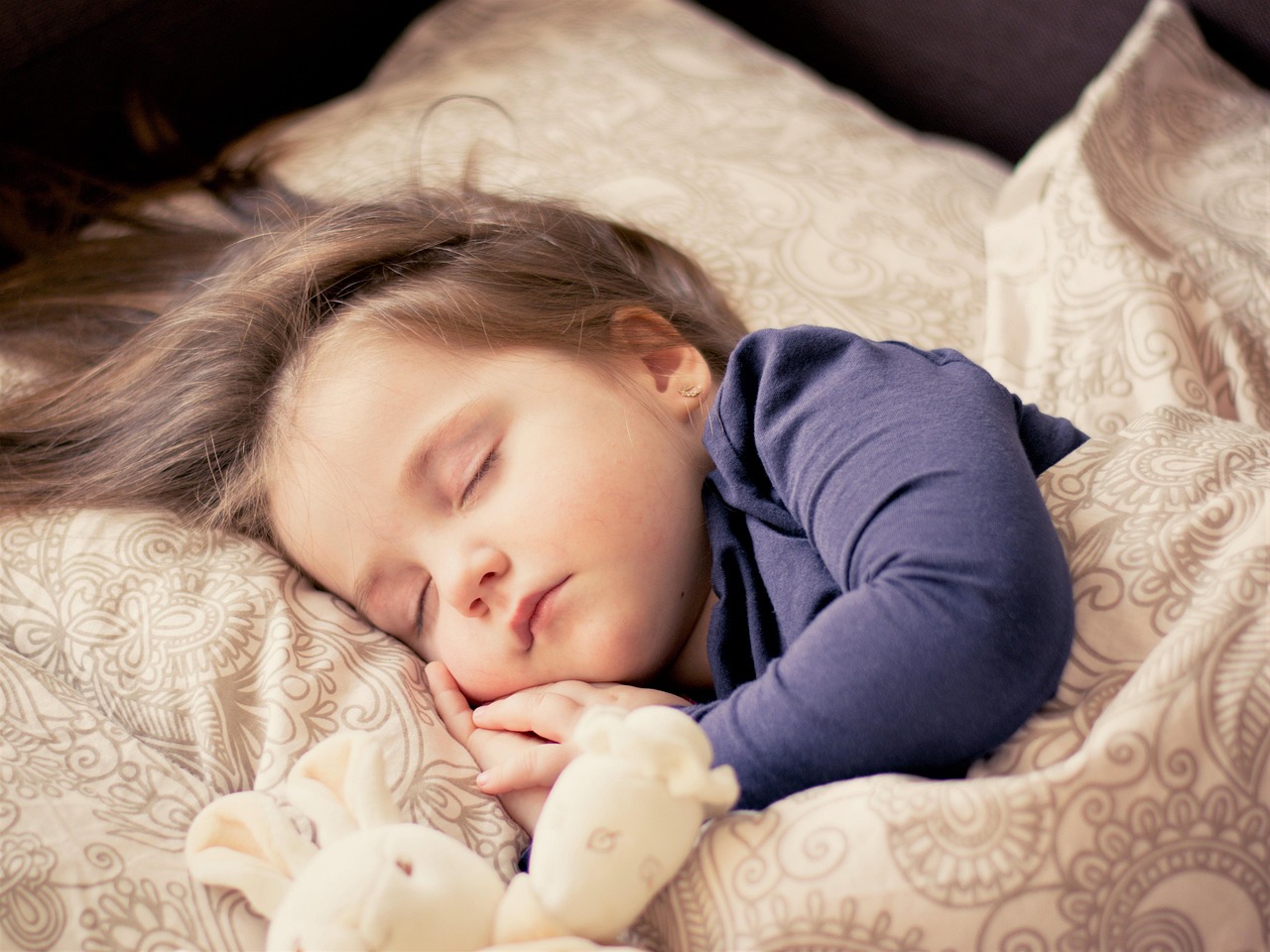
Practical rules I use with athletes:
- Set a fixed wake time, even weekends, within 30 minutes variance.
- Start a 45-minute wind-down routine before bed (no screens, dim lights, light stretching or breathing).
- Avoid caffeine within 6 hours of your planned bedtime. Simple and effective.
- When traveling, shift sleep by 60 minutes per day before departure when possible to reduce jet lag.
People also ask: Can late-night training ruin sleep?
It can. Intense sessions within 60 to 90 minutes of bedtime sometimes raise body temperature and adrenaline, making sleep-onset hard. Light to moderate activity is often fine, but heavy lifts or sprints late at night may delay sleep. If you must train late, include a 60-minute cool-down and calming routine afterwards.
Are naps good for athletes?
Yes—strategically. Short naps restore alertness; longer naps can aid recovery but may cause grogginess.
Nap guide I tell athletes to try:
- 20 to 30 minute nap - best for alertness and avoiding sleep inertia.
- 90 minute nap - a full sleep cycle, helpful after poor overnight sleep or before a late competition.
- Avoid long naps within 3 hours of bedtime if you want to preserve nighttime sleep.
I've had sprinters take a 25 minute nap before evening meets and shave tenths off their times the same day. True story.
Practical sleep tips for athletes (real, no-nonsense)
Here are evidence-based sleep tips that actually stick. Use them one at a time.

- Prioritize wake time: pick one and keep it. Your circadian rhythm loves consistency.
- Control room temp: 60 to 67 degrees Fahrenheit is ideal for most people.
- Make the room dark and quiet - blackout curtains and a white-noise machine help during travel.
- Wind down for 45 minutes: no screens, low light, slow breathing, and light mobility.
- Consider a small protein snack before bed: 20 to 30 grams of casein-type protein can help overnight muscle repair (if it fits your nutrition plan).
- Limit alcohol and heavy carbs right before bed - they fragment sleep, despite making you feel sleepy.
- Use naps strategically - 20 to 30 minutes for a quick boost, 90 minutes for recovery when needed.
- If you're jet-lagged, expose yourself to bright morning light at your destination to shift the clock faster.
People also ask: Should athletes use sleep trackers?
Yes, cautiously. Trackers help spot patterns and improvements, but they aren't perfect at measuring sleep stages. Use them for trends, not for daily panic. If your tracker shows gradual improvement in sleep duration and sleep efficiency over 2 weeks, that's a win. If it flips you out nightly, ditch it.
What to do if you can't sleep before competition
Short checklist to calm nerves and salvage performance:
- Get out of bed after 20 minutes, do a calm activity under dim light, then try again.
- Use breathing exercises: 4-7-8 or box breathing for 5 minutes (it works).
- Take a 20 to 30 minute nap if you still feel drained the next day before your event.
- Adjust your nutrition: avoid heavy meals within 2 hours of bedtime and hydrate earlier in the evening.
Why does this work? Because calming the sympathetic nervous system and reducing arousal helps restore sleep onset. Simple physiology, practical steps.
Wrapping up - how to start improving sleep tomorrow
Start with one change: fix your wake time for 7 days. Then add a 45-minute wind-down and adjust room temp. Track perceived sleep quality and performance for 2 weeks. You'll spot gains in training consistency faster than you think.
Look, if this feels overwhelming, our team can handle it for you by building a personalized sleep and recovery plan that matches your training load, travel schedule, and goals. No guesswork. Just better sleep, better recovery, better performance.